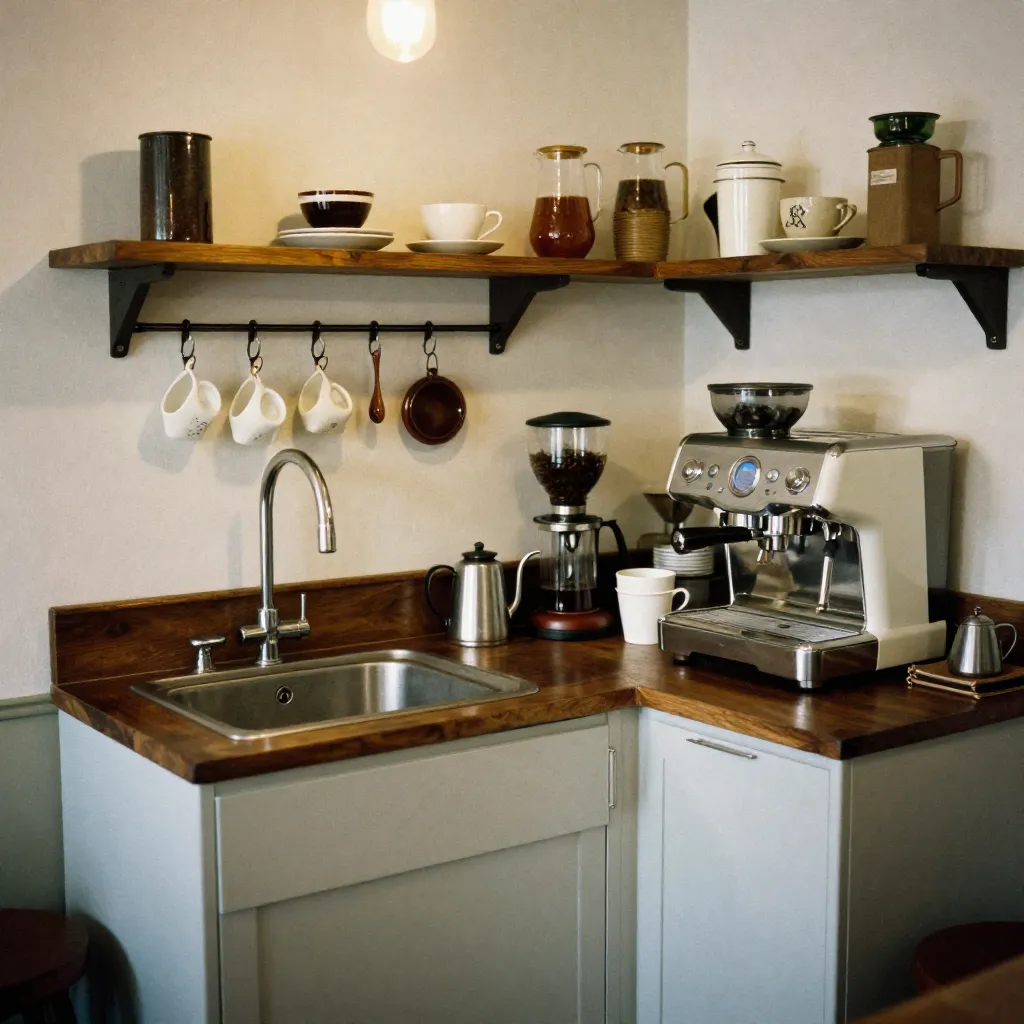
The Science of Morning Flow
Every station is engineered to minimize movement and maximize efficiency. From water source to bean hopper to waste bin, we design for the perfect flow.
Movement Optimization
Effective workflow design reduces unnecessary steps and creates intuitive pathways between essential components.
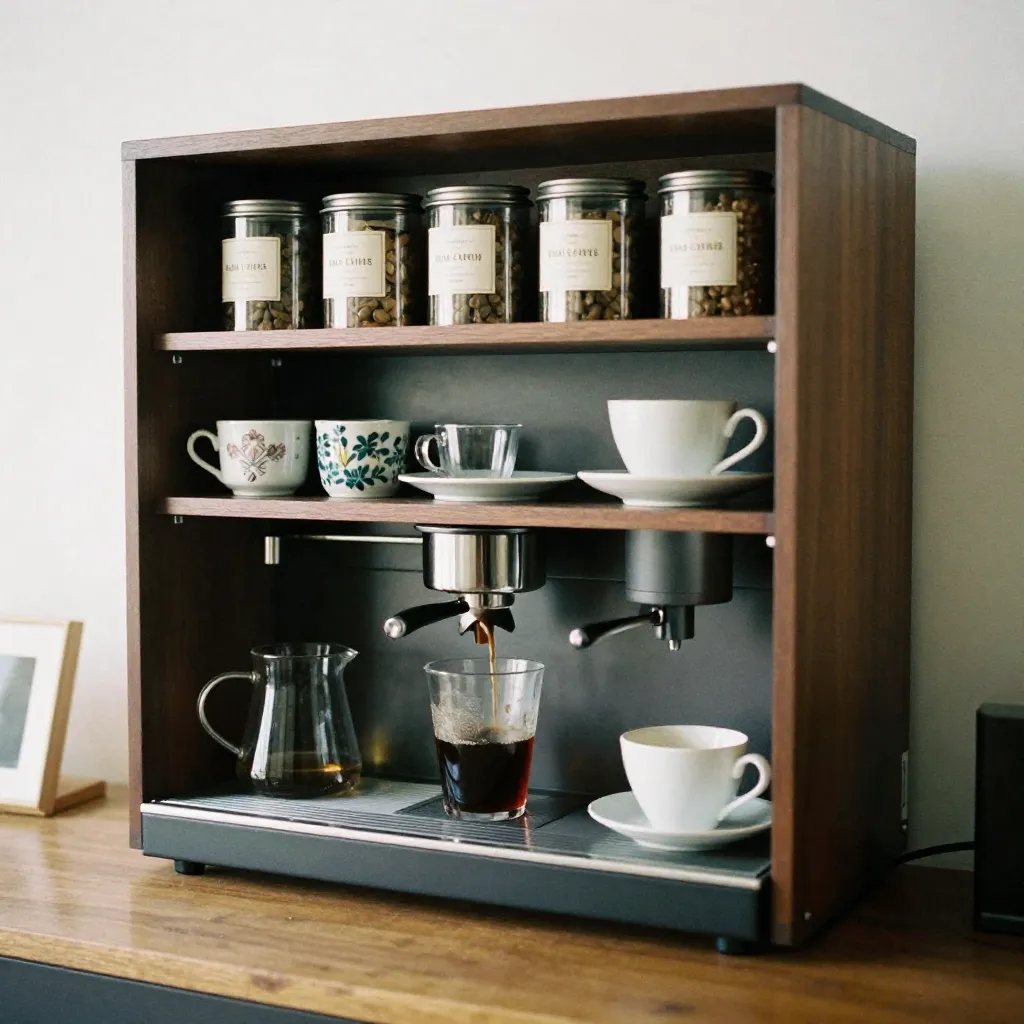
Water Source Proximity
Positioning water access points within immediate reach reduces movement during preparation and cleanup cycles.
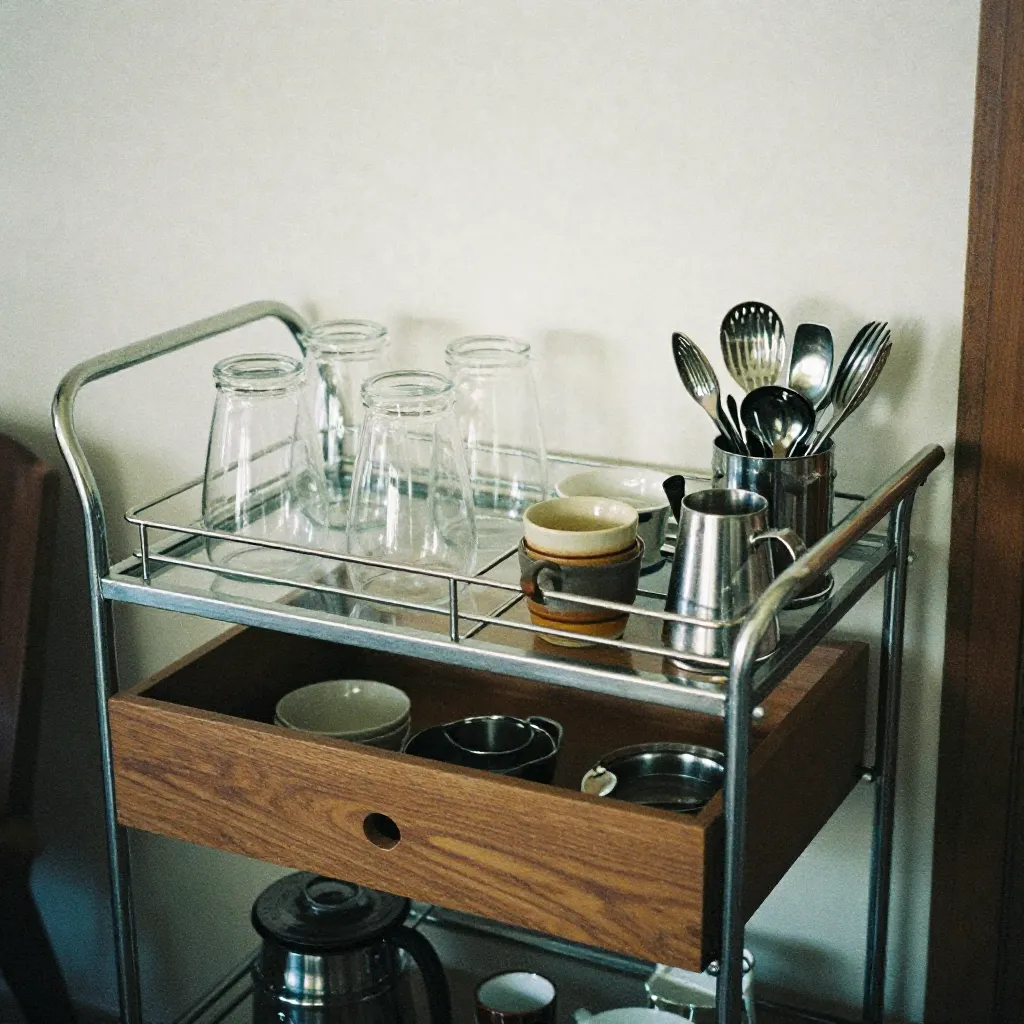
Storage Hierarchy
Frequently used items are placed at optimal heights and distances, while less common supplies remain accessible but out of the primary workflow.
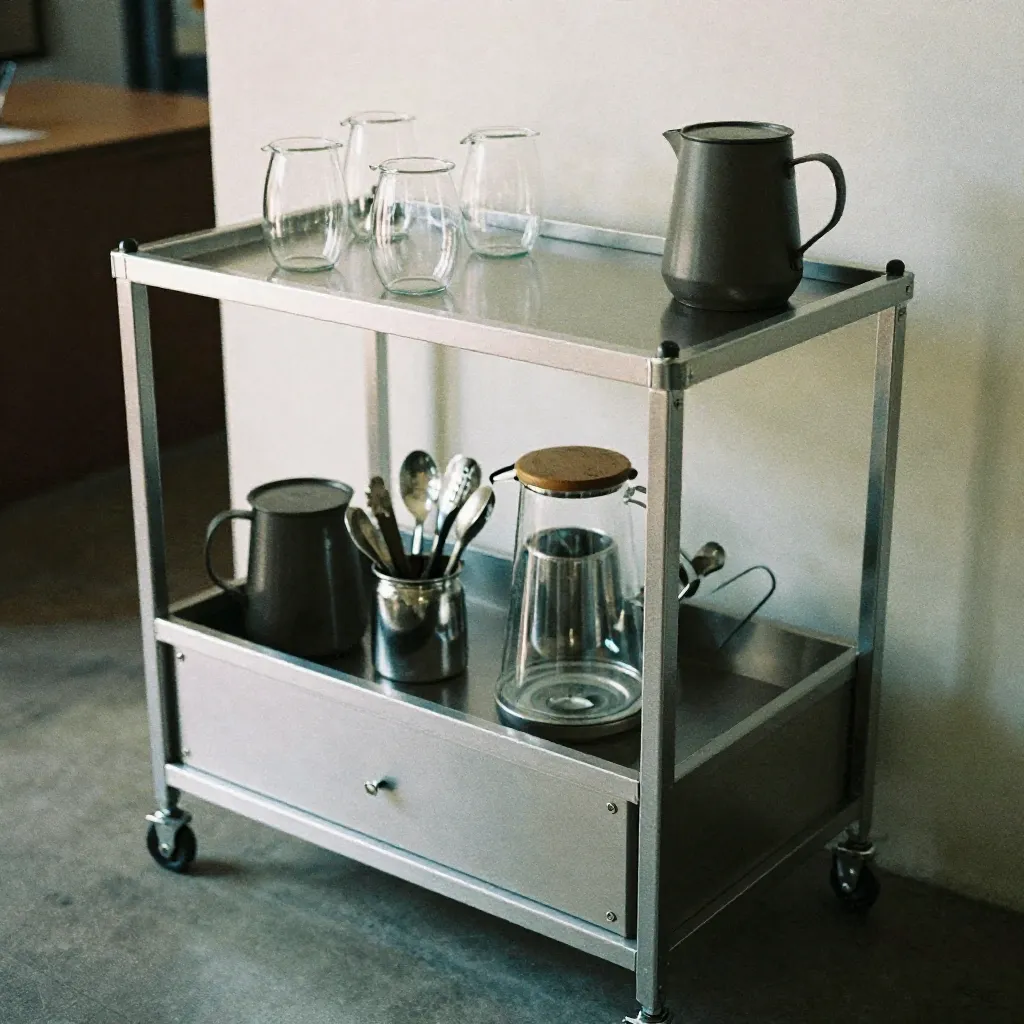
Equipment Sequencing
Machines and tools are arranged to follow natural preparation sequences, eliminating backtracking and cross-movement.
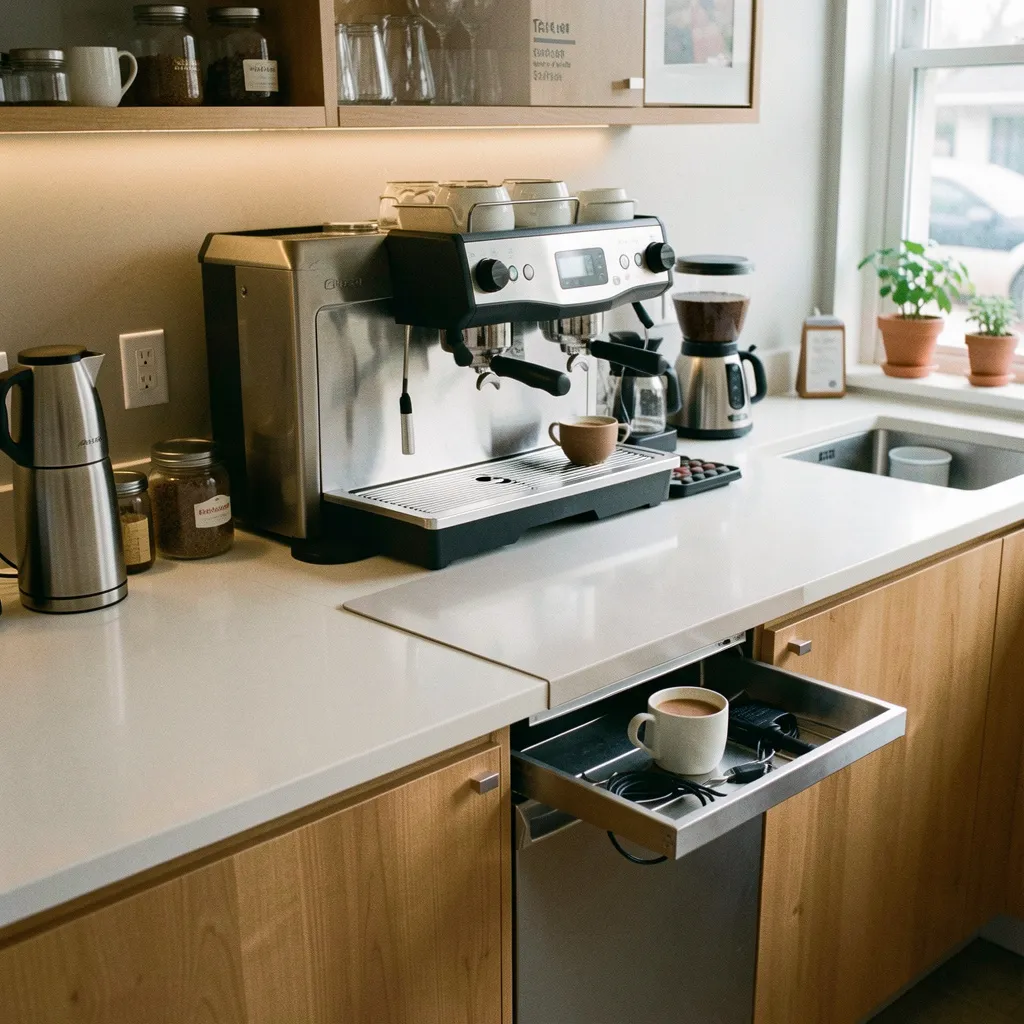
Process Analysis
We map each step of your preparation routine to identify opportunities for optimization and efficiency improvements.
Pathway Mapping
Tracking movement patterns reveals optimal placement strategies for equipment and supplies within the available space.
Time Analysis
Understanding time spent at each station helps prioritize accessibility and reduce cumulative preparation duration.
Reach Zones
Items are categorized into primary, secondary, and storage zones based on frequency of use and ergonomic reach distances.
Waste Management
Integrated waste disposal solutions keep preparation areas clean and maintain workflow continuity.
Design Implementation
Workflow principles are translated into physical layouts that support efficient daily operations.
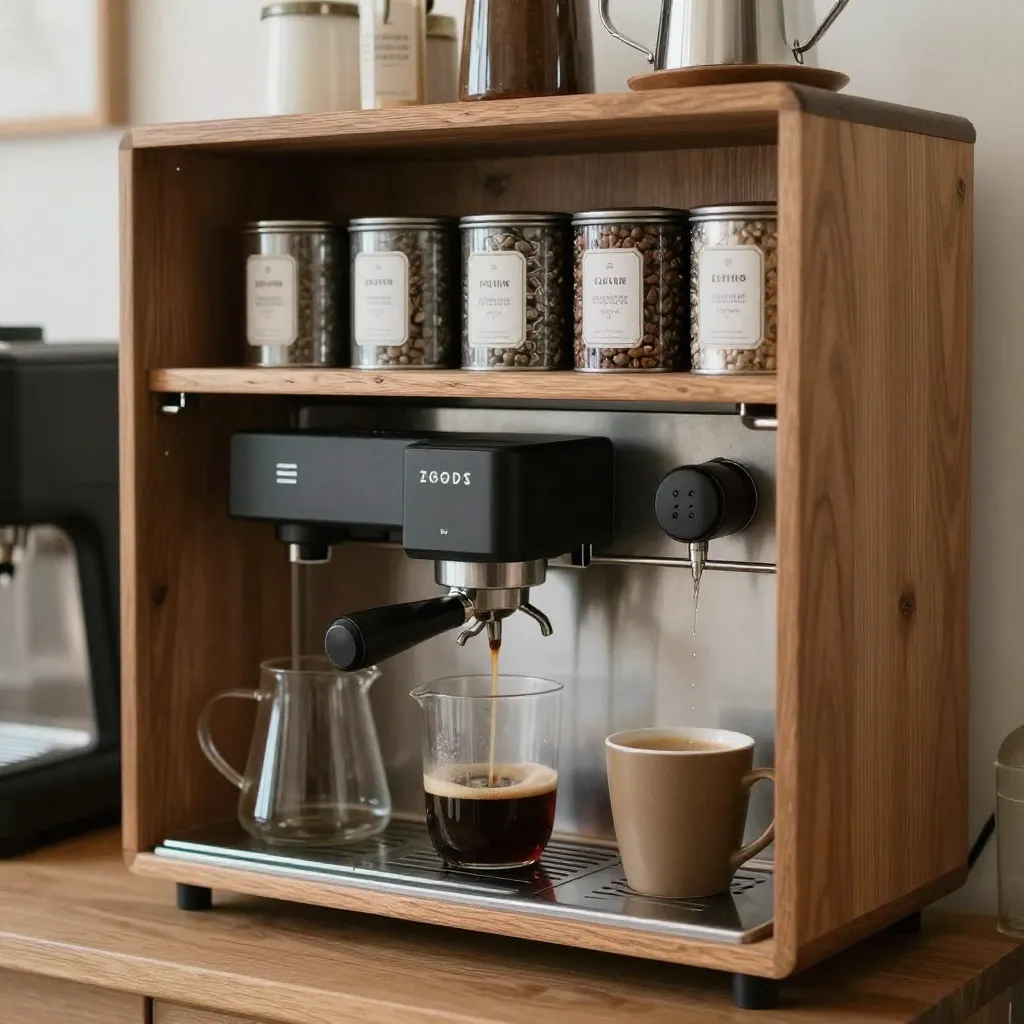
Zonal Organization
Stations are divided into functional zones that support distinct phases of the preparation process.
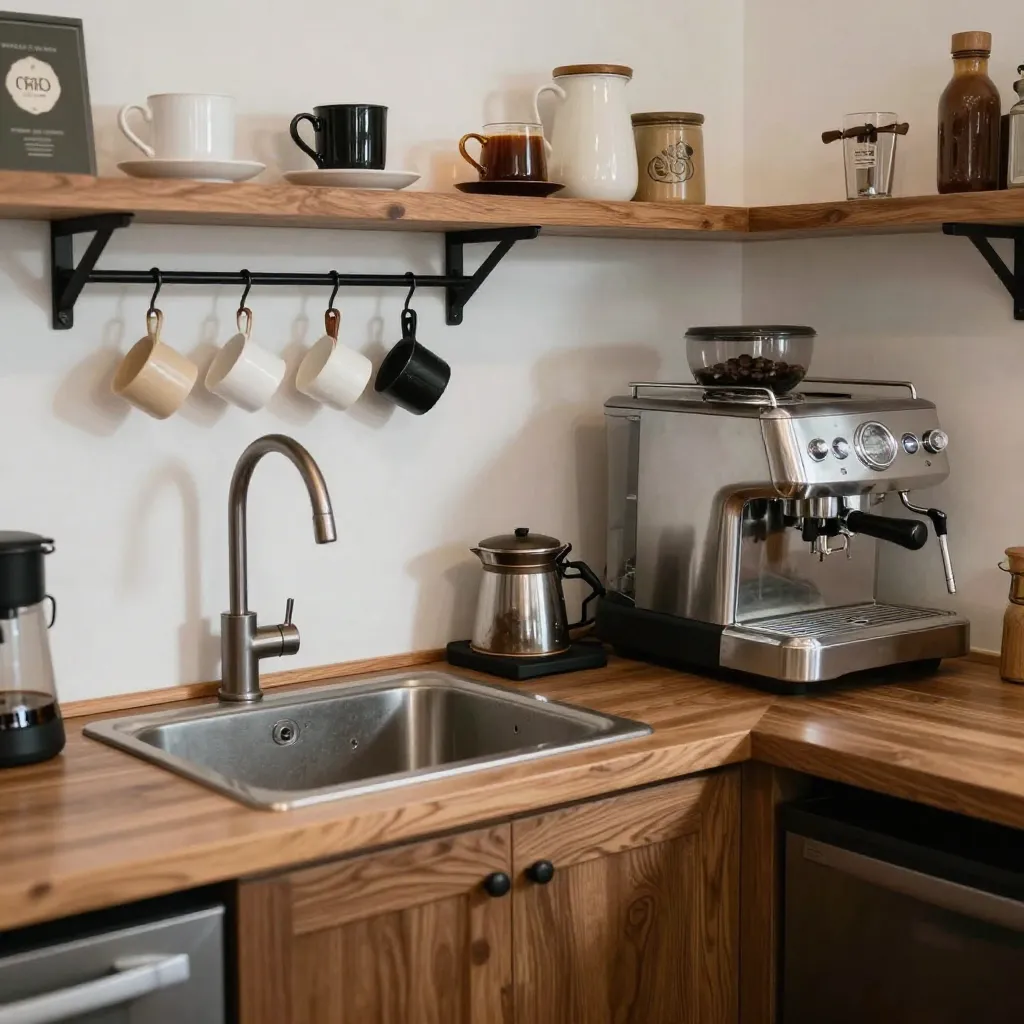
Visual Flow
Design elements guide the eye and hand through logical sequences, making the process intuitive and natural.

Efficiency Metrics
Each design is evaluated against efficiency criteria to ensure optimal performance in real-world usage scenarios.